 EN
EN
 CN
CN
 fr
fr es
es ar
ar ru
ru de
de pt
pt tr
tr vi
vi it
it ja
ja ko
ko hi
hi
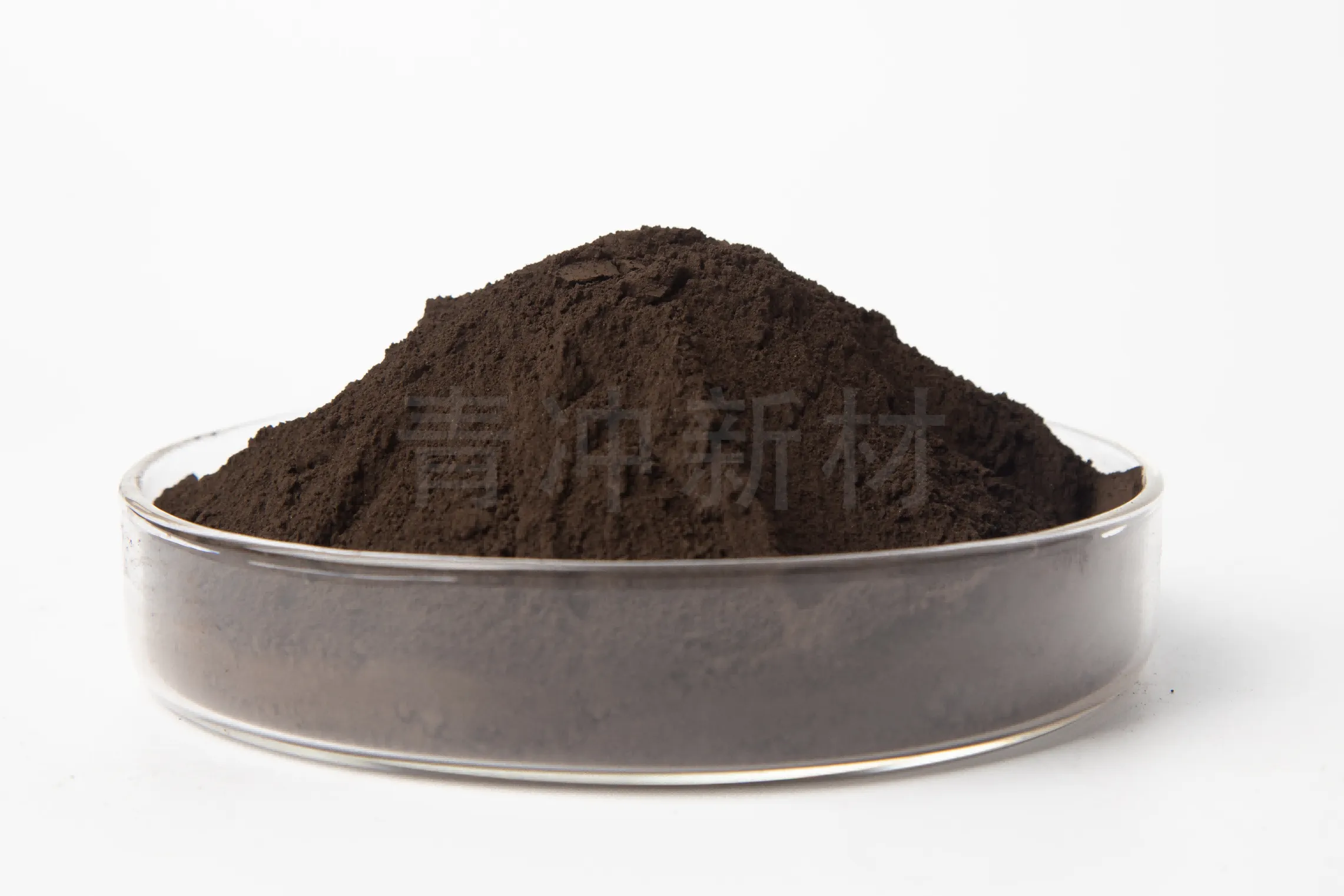
What MnO2 Does in a Glaze
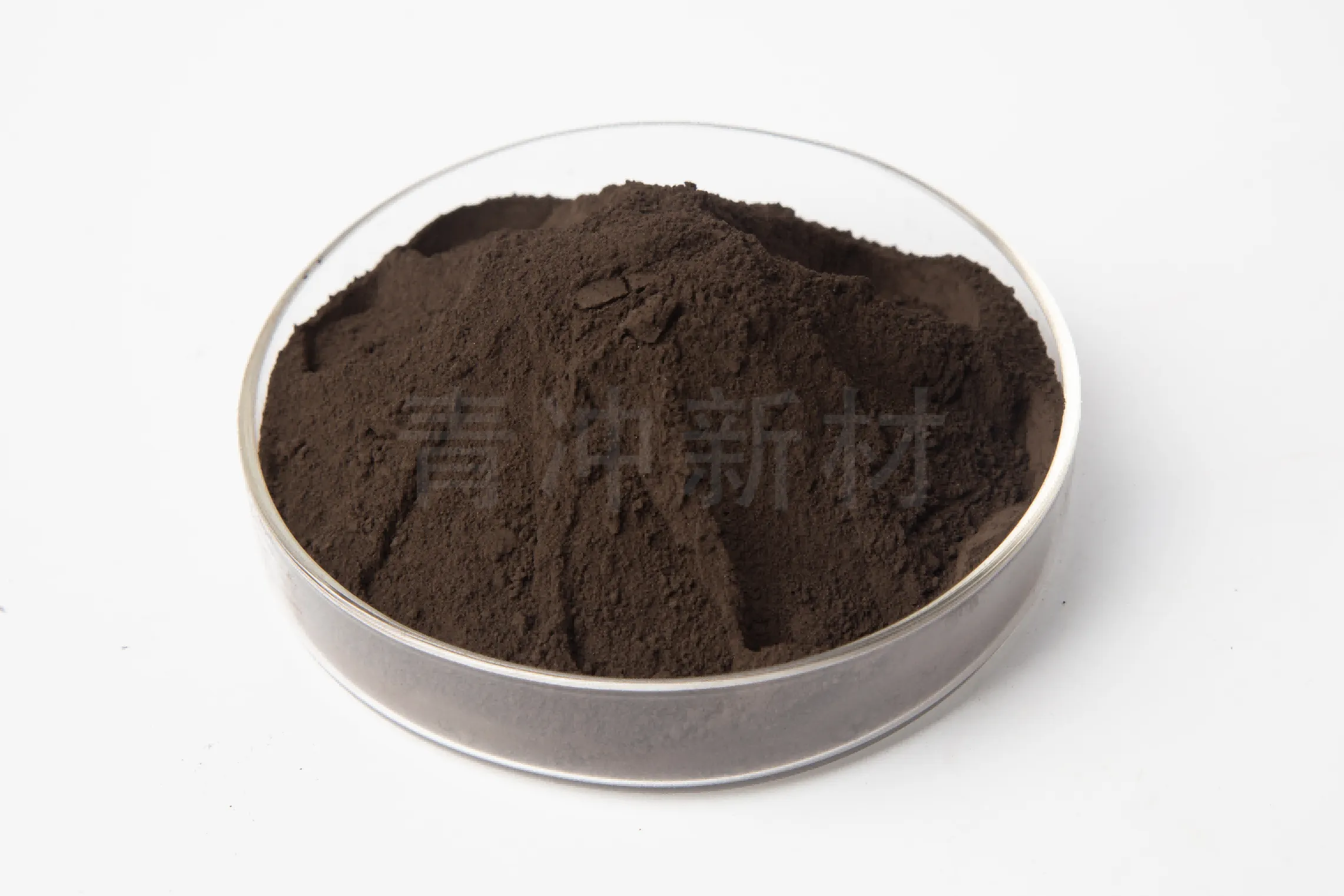
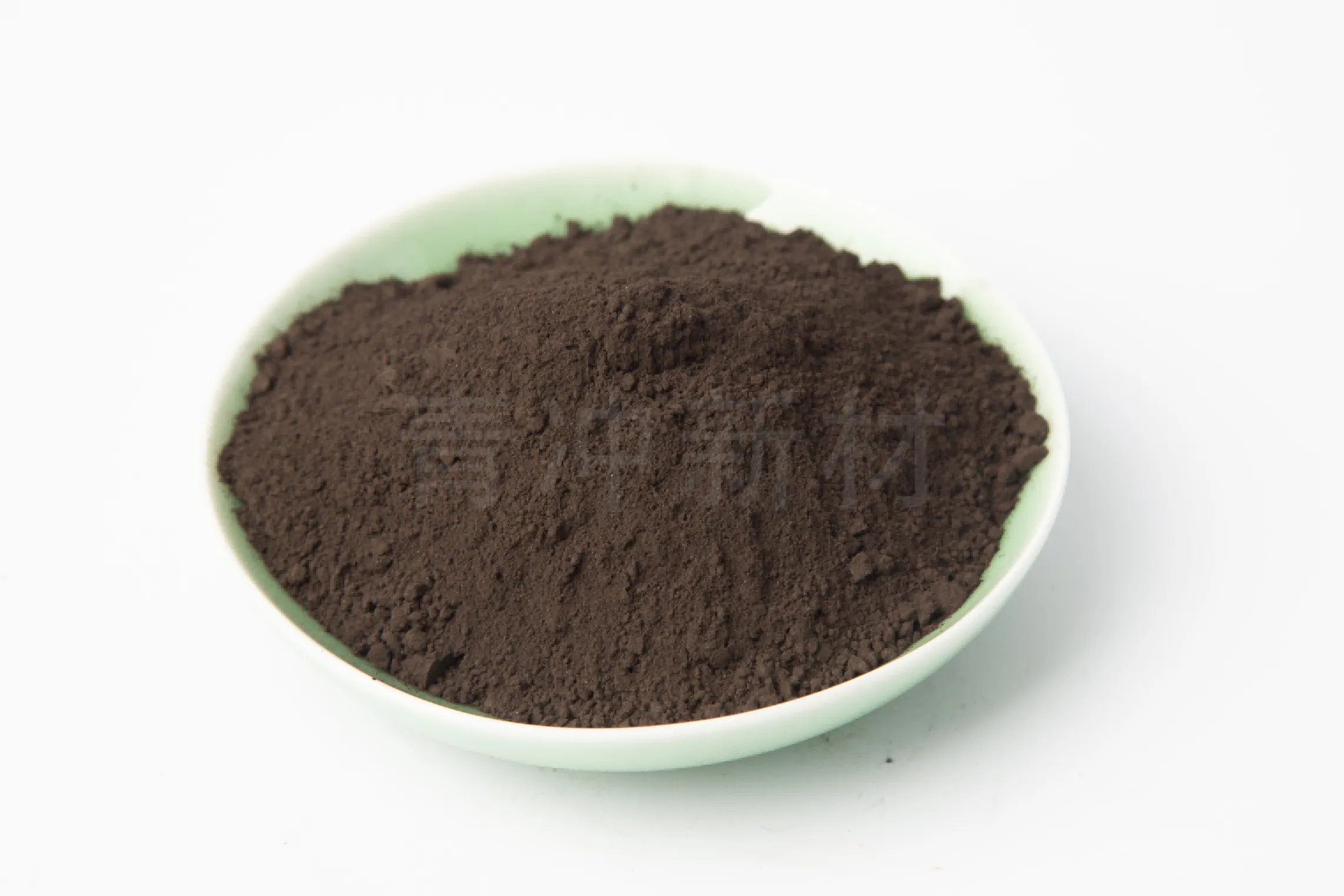
Manganese dioxide is a manganese-bearing raw material. In a fired glaze, manganese can contribute to color development, but the result is not determined by the MnO2 label in isolation. Other colorants, the base glaze and the firing cycle all influence the final surface. The material added to a wet glaze mix is also not necessarily present in the same chemical form after firing: manganese compounds can change during heating and interact with the surrounding melt. This helps explain why a formula transferred between factories may produce a different shade even when the ingredient list appears unchanged. For production teams, it is useful to distinguish three things that are sometimes collapsed into one name: the chemical identity of the raw material, the measured properties of a supplied lot and the appearance of the fired glaze. QingChong identifies manganese dioxide within its broader manganese-chemical manufacturing focus, but no ceramic-specific material specification was provided here. A name alone cannot establish oxide content, fineness or the behavior of a particular lot. A fired test piece is evidence of glaze performance under its stated conditions; a supplier specification is evidence about the incoming raw material. Buyers need both types of information for different reasons.