productlist

Electrolytic Manganese Dioxide for Triple-A Batteries

electrolytic manganese dioxide for triple-A batteries

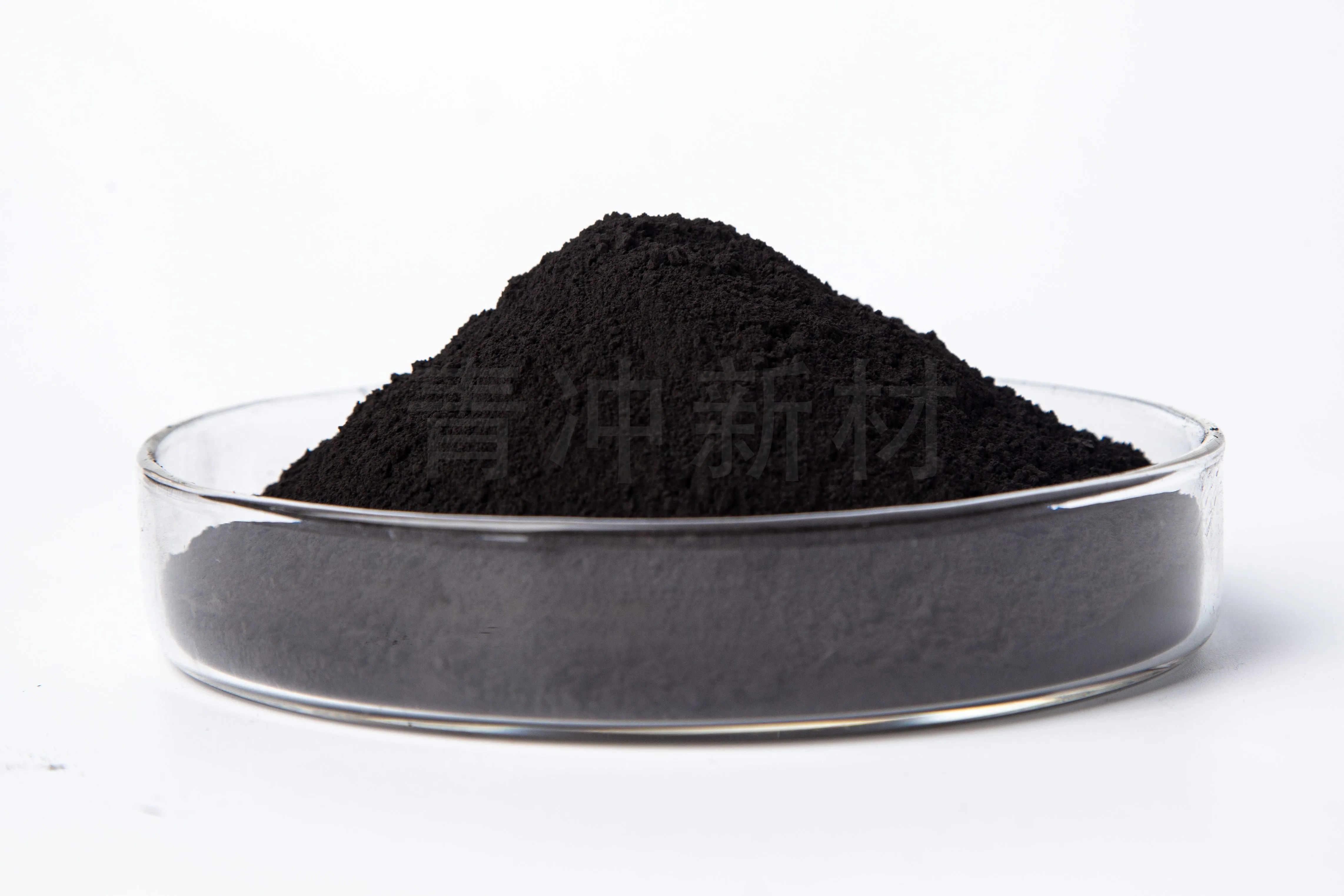
In a triple-A cell, the cathode material has to fit a compact format while supporting the battery chemistry and performance targets chosen by the manufacturer. Electrolytic manganese dioxide for triple-A batteries is used as a cathode active material in manganese-based dry-cell systems, including alkaline and zinc-carbon designs. Its suitability depends on the specific formulation and production process; “triple-A” describes cell size, not a single chemistry or a universal material specification. QingChong New Materials is a manganese chemical manufacturer integrating research and development, production, and sales. Based in Xiangtan, a major Chinese manganese production area, the company brings more than 20 years of manganese-industry experience. Because no grade-level product data has been provided here, buyers should verify the available EMD specification against their own electrode recipe and cell requirements before making a material decision. This page outlines where EMD may fit, what application checks matter, and which information to prepare when discussing a potential supply.

Technical Detail

Configured around process stability, mold life, and long-term uptime.

Electrolytic manganese dioxide is a manganese-based cathode material used in certain primary battery chemistries. For triple-A batteries, its relevance is determined by the cell design and formulation rather than by the AAA size designation alone. A manufacturer evaluating EMD should confirm that the material is intended for the target chemistry and can be assessed against the plant’s incoming-material and process controls. Product data such as chemical composition, physical characteristics, and any grade-specific performance information must come from the supplier’s current technical documentation; QingChong’s specific EMD grade parameters have not been supplied for this page, so no numerical values or grade claims are stated here. QingChong New Materials integrates R&D, production, and sales, allowing material discussions to connect technical requirements with manufacturing context. The company is located in Xiangtan, one of China’s important manganese production bases, and has more than 20 years of industry experience. Its quality-focused approach is supported by an ISO 9001:2008 Quality Management System certification, passed in July 2010, and its designation as a National High-tech Enterprise in September 2019. Buyers considering electrolytic manganese dioxide for triple-A batteries should request the applicable specification and evaluate it against their own formulation, process window, and acceptance criteria before qualification. This keeps the decision grounded in verified grade information rather than assumptions based on cell size or general material descriptions.

Electrolytic Manganese Dioxide (EMD)

How EMD Fits a Compact Dry-Cell Cathode

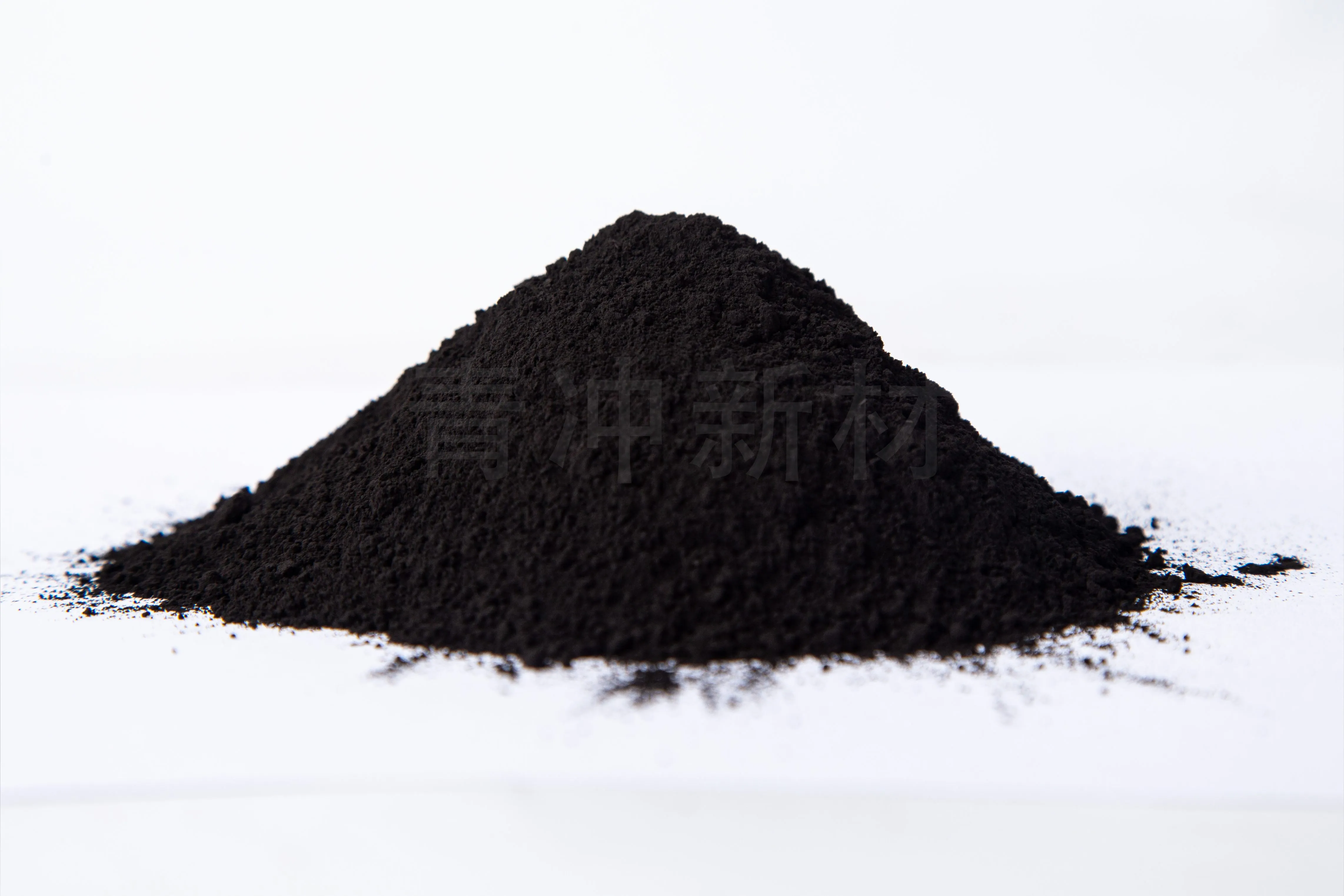
Electrolytic manganese dioxide is produced through an electrochemical route and is used as an active cathode material in manganese-based primary cells. In a triple-A battery, the small cylindrical format limits the space available for the complete cell design, but it does not by itself define the cathode chemistry. Alkaline and zinc-carbon AAA cells, for example, are different system designs, so a material suitable for one should not be assumed to suit the other. EMD is considered as part of a formulated electrode system alongside the other specified ingredients and manufacturing steps. Its behavior therefore needs to be assessed in the context of the target recipe, not as an isolated powder or as a generic “AAA battery grade.” QingChong New Materials combines manganese-chemical R&D and production, and its location in Xiangtan connects its operations to a major manganese production base. Those company facts provide context for a technical discussion, but they do not establish a specific EMD grade or battery performance result. Before evaluating a sample or specification, identify the intended cell chemistry and confirm that the supplier’s documentation covers the material requirements relevant to that design.
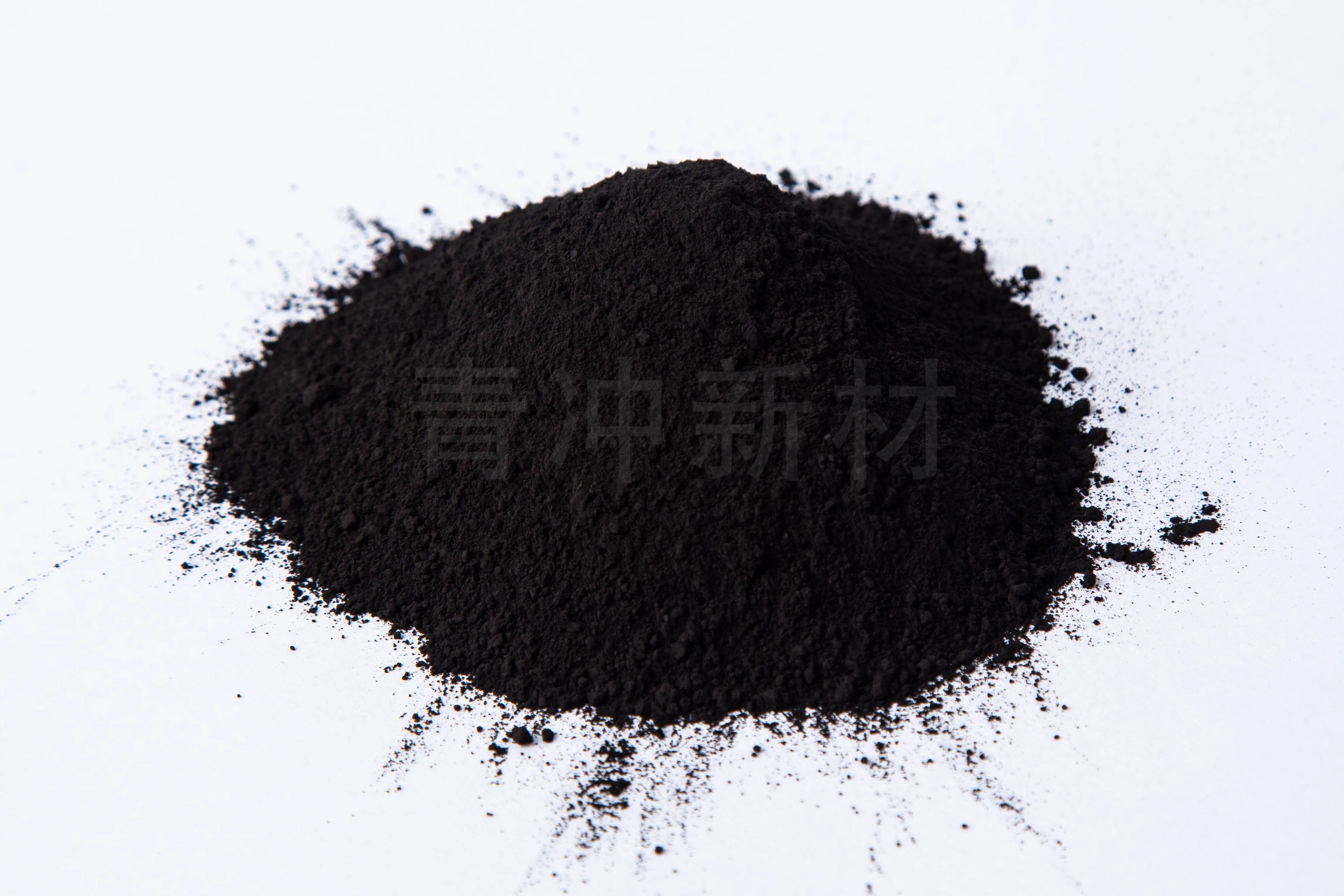
Electrolytic Manganese Dioxide (EMD)

Check Chemistry and Process Before Approving EMD

EMD may be relevant when a triple-A cell uses a manganese-dioxide cathode system, but application fit depends on more than the cell’s dimensions. Start by identifying whether the design is alkaline, zinc-carbon, or another chemistry, then compare the proposed material documentation with the formulation and process controls used at the plant. If the chemistry is unclear, or if the supplier cannot provide grade-specific information for review, the material should not be treated as qualified solely because it is described as battery-grade or intended for dry cells. A mismatch can lead to additional formulation work, inconsistent production results, or failure to meet the manufacturer’s own acceptance criteria; the exact effects depend on the cell design and must be established through technical review and testing. QingChong’s stated quality system certification and integrated R&D and production operations are relevant points to discuss when reviewing manufacturing controls, but they do not replace material-specific verification. Buyers should establish which properties their process monitors, what limits apply, and how changes in incoming material are evaluated. That evidence-based check is especially important when switching suppliers or introducing a material into an established AAA production line.

Electrolytic Manganese Dioxide (EMD)

Prepare a Useful EMD Inquiry for AAA Production

A focused inquiry helps determine whether a supplier can assess EMD for the intended triple-A battery application. Include the target cell chemistry, a brief description of the manufacturing use, and the material properties your purchasing or quality team requires. Share the specification or acceptance criteria you already use, if available, and identify whether the request concerns a new formulation, a supplier comparison, or routine procurement. Ask for the current technical documentation for the proposed grade, including the properties and test methods that are relevant to your evaluation. Since no QingChong EMD grade sheet or numerical product parameters are provided here, buyers should request those details directly rather than rely on assumed values. It is also useful to state any documentation needed for internal qualification and to clarify how your team handles sample assessment, if sampling is part of your normal process. QingChong integrates R&D, production, and sales and has multilingual website support in 14 languages, which can help international buyers communicate their requirements. Confirm the technical scope and available documentation before making purchasing decisions; price, minimum order quantity, and lead time should be requested directly and are not specified here.

News

Industry updates

Products

Production modules

Why Choose Us

A Manganese-Chemical Partner with Integrated Operations

QingChong New Materials focuses on manganese chemicals and combines R&D, production, and sales within one operation. For battery-material buyers, that structure offers a direct starting point for discussing application requirements and asking for the documentation needed to evaluate a proposed EMD grade. The company has more than 20 years of industry experience and is located in Xiangtan, a major manganese production area in China. Its stated quality credentials include ISO 9001:2008 Quality Management System certification, passed in July 2010, and National High-tech Enterprise certification in September 2019. QingChong also reports holding multiple invention patents obtained in cooperation with local universities; these credentials describe the company’s background but should not be interpreted as product-specific battery approvals. A multilingual website available in 14 languages supports communication with global buyers. For a triple-A battery project, the practical next step is to share the intended chemistry and the material criteria your team needs to verify, then review the supplier’s current grade documentation. This keeps technical qualification separate from general company credentials and lets procurement decisions rest on evidence applicable to your cell design.

FAQ

Common technical questions

Does AAA size mean the battery must use EMD?

No. AAA identifies the cell format, not its chemistry. EMD is relevant to certain manganese-dioxide primary-cell designs, but the intended chemistry and formulation determine whether it fits.

Can the same EMD specification be used for alkaline and zinc-carbon AAA cells?

Do not assume so. The two chemistries have different cell designs and material requirements. Compare the proposed grade documentation with the target formulation and qualify it under your own process controls.

What information should I provide when requesting EMD for a triple-A battery project?

State the cell chemistry, intended manufacturing use, and the material acceptance criteria or specification your team applies. Request current grade-specific technical documentation and clarify which properties and test methods are available for review.

What should we do if production results change after an EMD supplier switch?

Review the incoming material documentation and compare the affected properties with your established acceptance criteria and process records. Investigate the change within your normal quality system before attributing the result to a single material factor.

Need a solution for your project?

Share your product type, target capacity, and application requirements. Our team can review the details and recommend a practical next step.

Contact Us
Whatsapp
WeChat

CONTACT US

Office Address:21/F,Zhonghan Fortune Building,Ji'an Road, Yuetang District,Xiangtan,Hunan,China

Factory Address: Heling Town, Yuhu District, Xiangtan City, Hunan Province, P.R.China

WhatsApp: 8613786275365

Fax: 86-731-52326088

E-mail: [email protected]