 EN
EN
 CN
CN
 fr
fr es
es ar
ar ru
ru de
de pt
pt tr
tr vi
vi it
it ja
ja ko
ko hi
hi
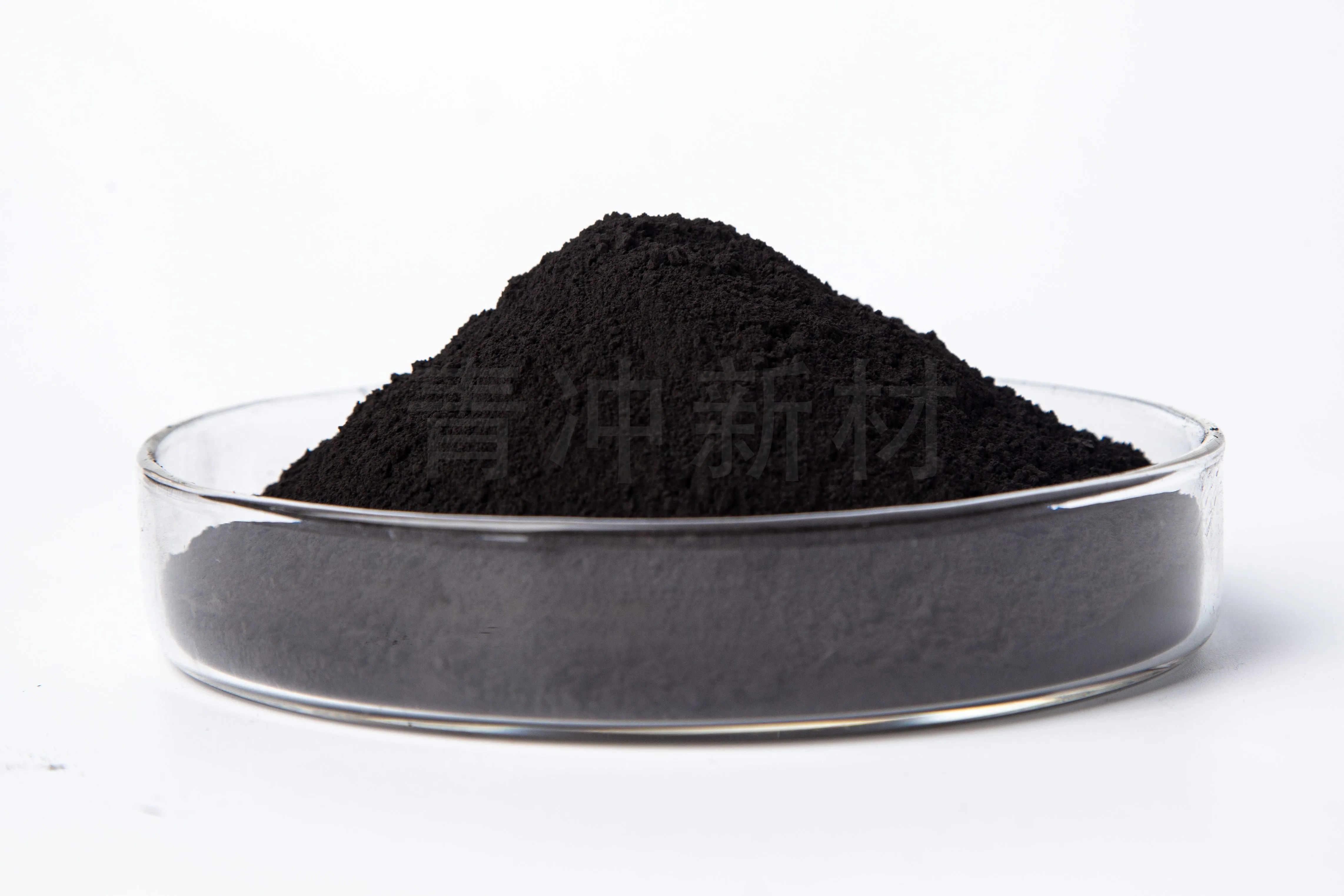
How Electrolytic Manganese Dioxide Is Made
EMD refers to electrolytic manganese dioxide. In general terms, an electrolytic process uses an electrical current to produce manganese dioxide from a manganese-bearing electrolyte, with operating conditions influencing the resulting material. That mechanism is what distinguishes EMD from manganese dioxide produced by other routes; it does not, on its own, confirm a particular product grade or performance level. For a buyer, the practical point is to establish exactly what a supplier means by “EMD” and what process and controls support that description. QingChong New Materials identifies itself as an integrated manganese chemical manufacturer with R&D, production, and sales functions, and reports cooperation with local universities on multiple invention patents. The supplied company information does not identify an EMD-specific process flow, electrode design, electrolyte conditions, or production equipment. Those details should not be inferred from the company’s broader manganese expertise. When reviewing a plant or supplier, request a product specification and ask whether the supplied material is electrolytic manganese dioxide, how its identity is verified, and which manufacturing records or test documents can be shared for the intended grade. This turns a broad product label into verifiable technical information without assuming undisclosed plant details.