
 EN
 CN
 fr
 es
 ar
 ru
 de
 pt
 tr
 vi
 it
 ja
 ko
 hi
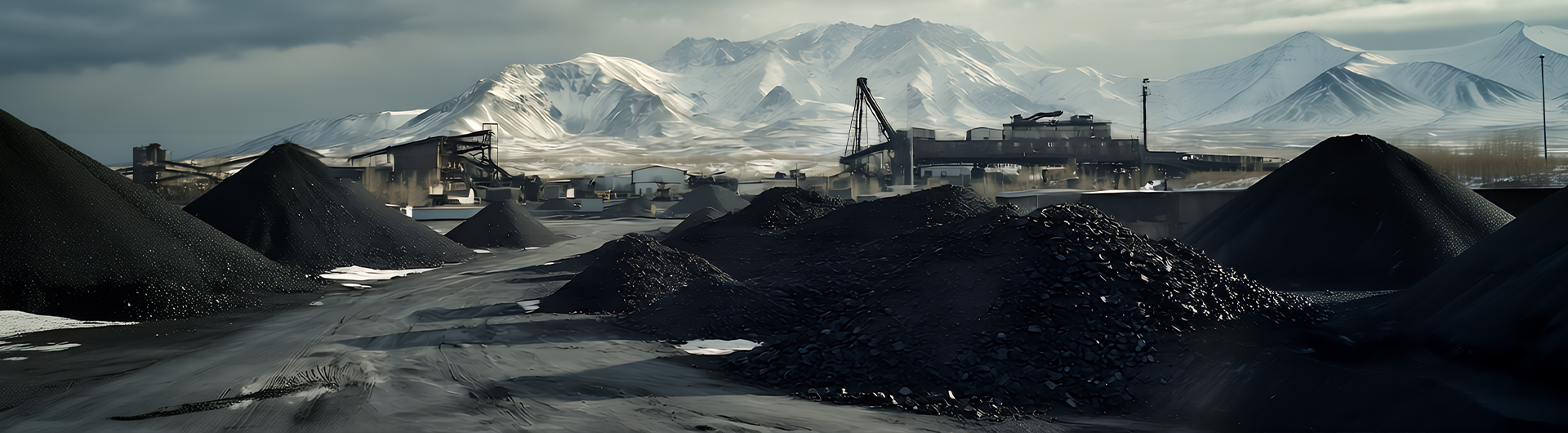

oxidized manganese in Indonesia
The reliability of oxidized manganese in Indonesia in operations is derived from its regular morphology and unchanging chemical composition. Along with that, the uniformity in its dispersal in various forms like powders, alloys, and chemical systems leads to a very precise control in the manufacturing process. The industrial activities reap the advantages of less difference in characteristics, materials performing consistently, and improved integration of the processes. The powder's reproducibility guarantees that the performance is the same across the different batches, this being the reason why manufacturers can keep the quality of the product while at the same time allowing the workflow efficiency to be optimized. oxidized manganese in Indonesia gives reliability in performance, which is why it is considered a very important part in the case of large-scale and high-precision industrial operations.
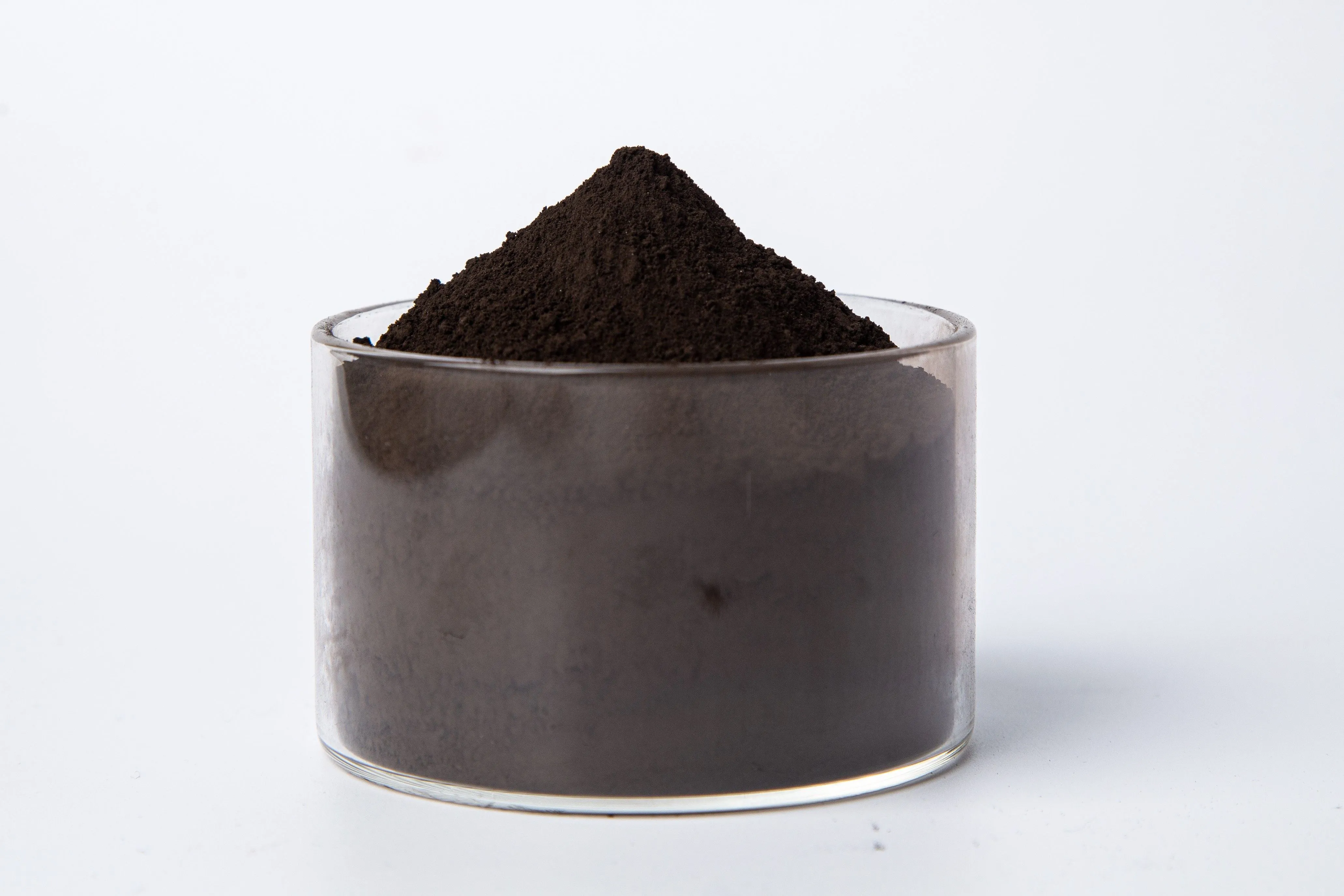
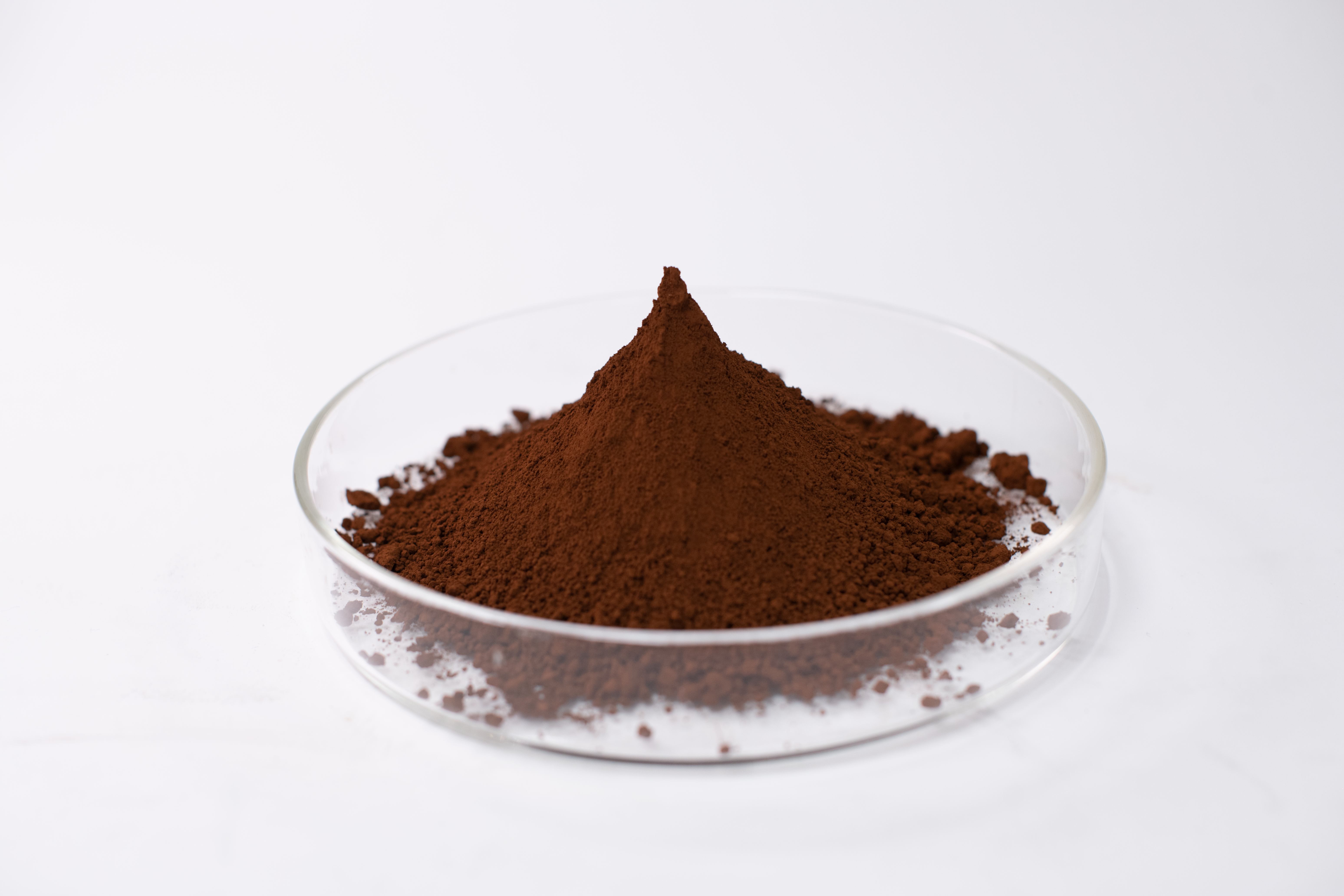
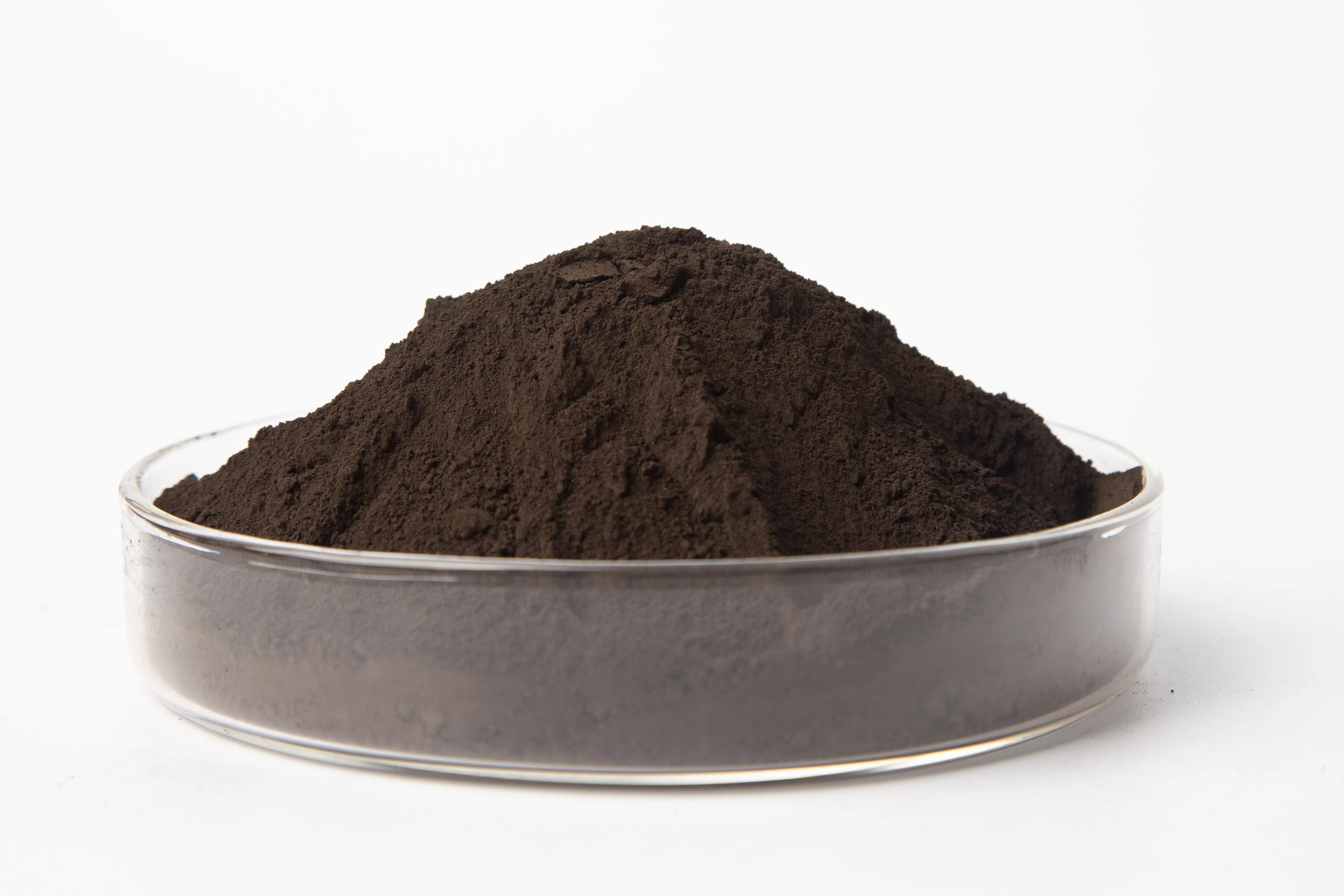
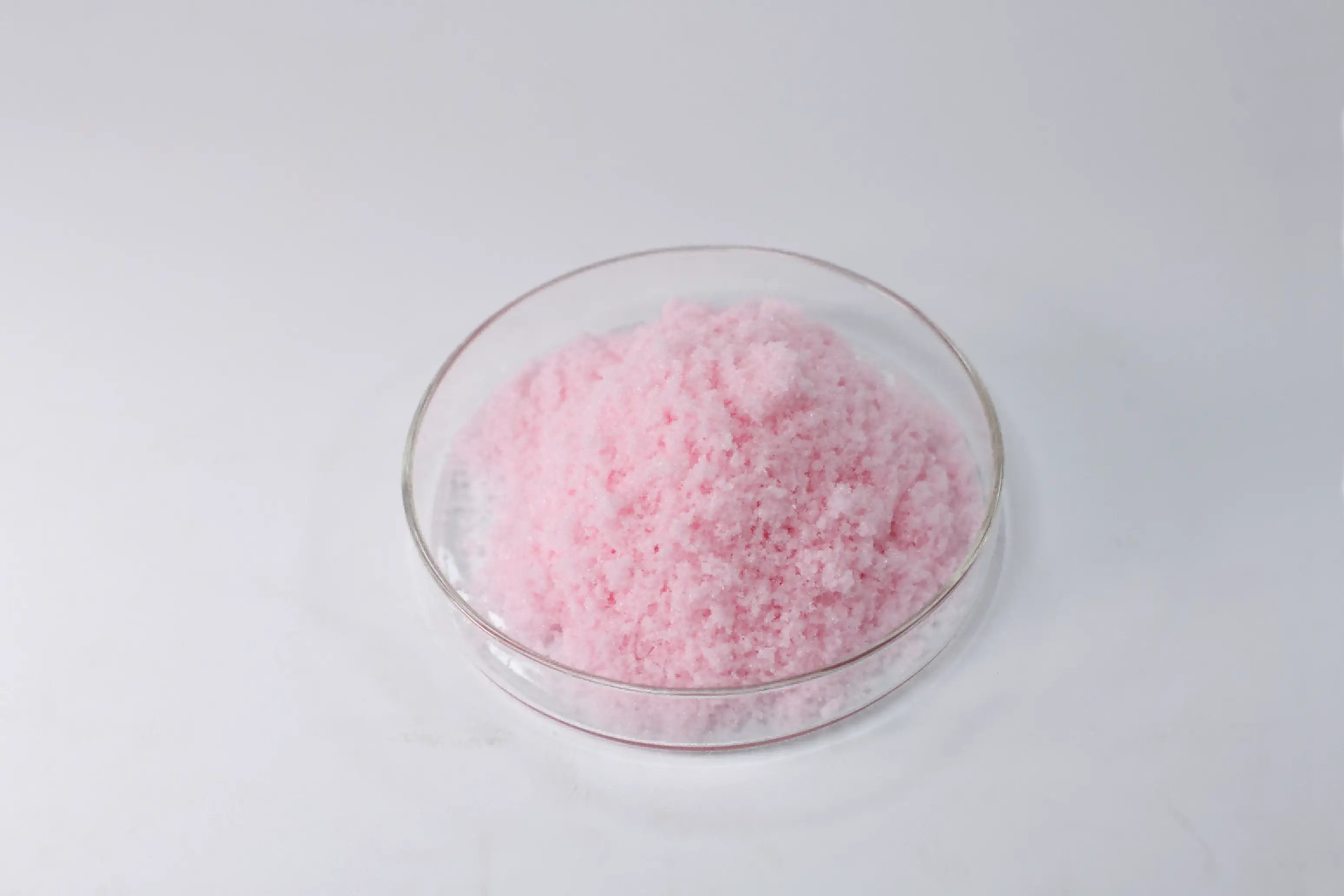
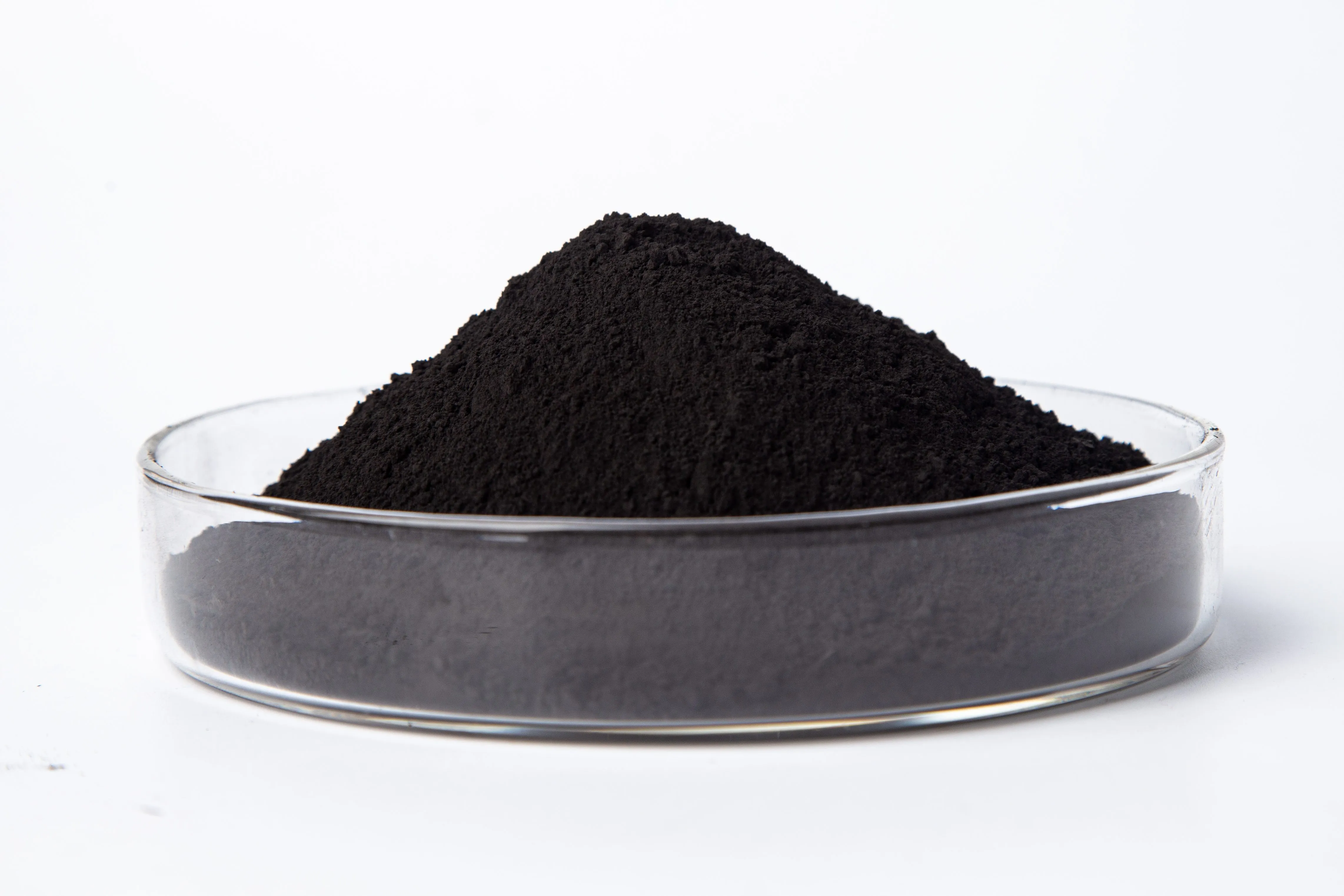
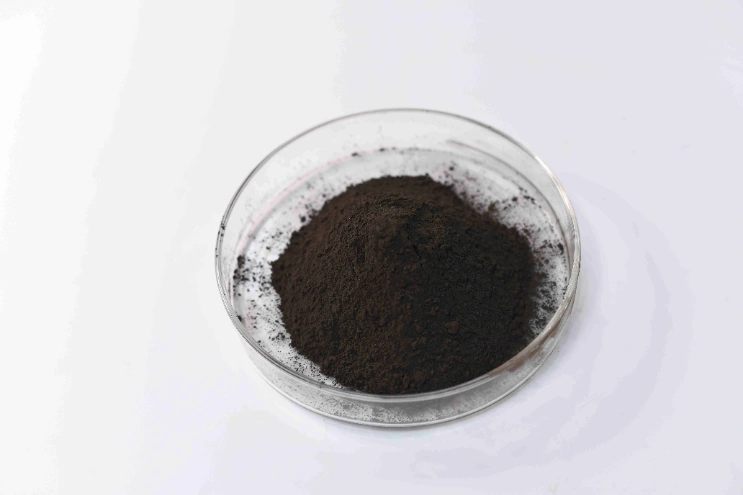
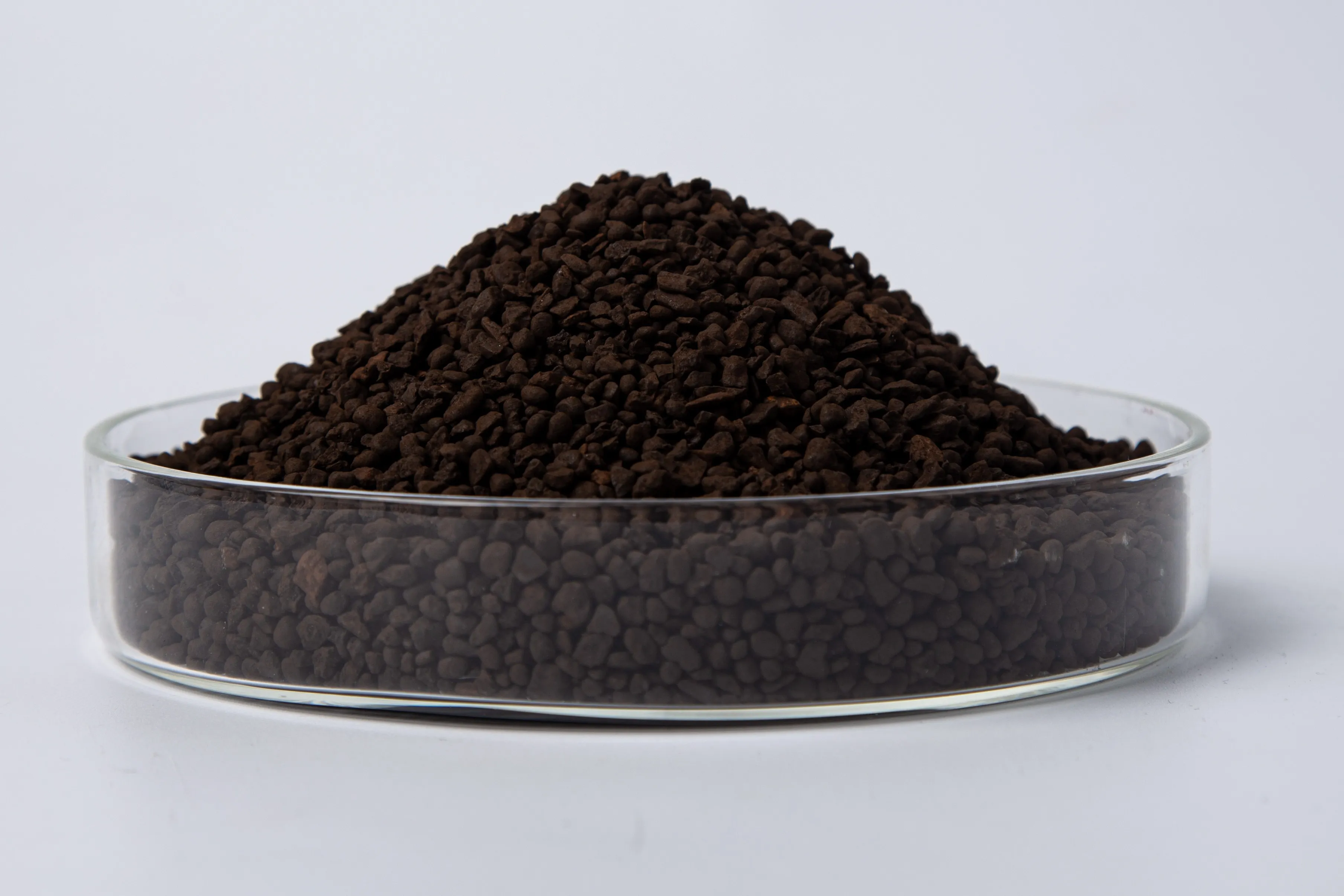
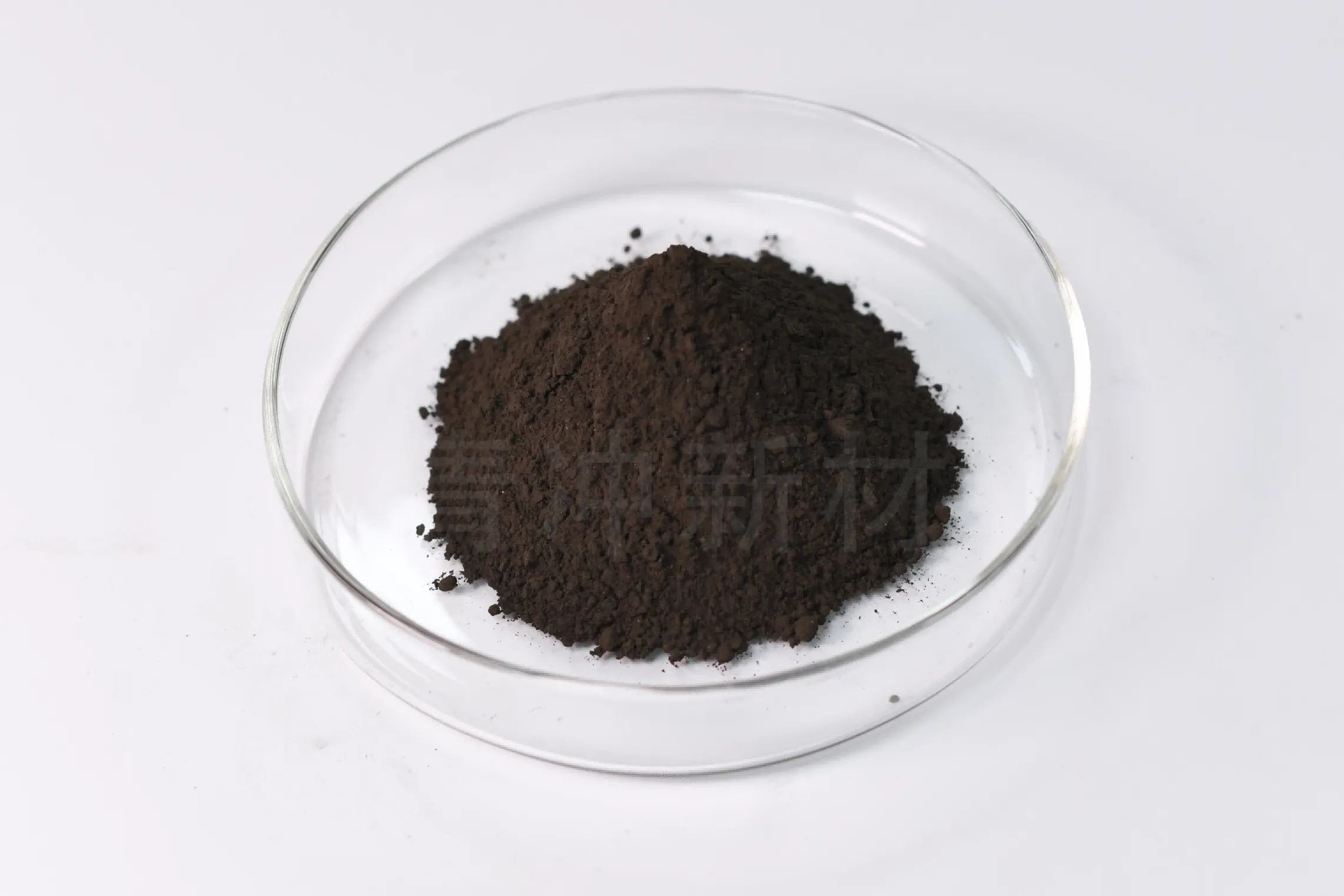
Application of oxidized manganese in Indonesia
In Metallurgy and Chemistry, oxidized manganese in Indonesia plays a vital role for its various advantages like uniformity of the material and better control of reactions. Its stable chemical properties and precise particle distribution make it easy to integrate into multi-stage production lines with great predictability. This is the reason why reproducibility of the material is so important for industrial operations in maintaining the same mechanical and chemical characteristics, which in turn helps to support larger manufacturing operations. Manufacturers using oxidized manganese in Indonesia can not only improve their operational efficiency but will also face less variability from one batch to another and thus, will be able to do high-quality results in making alloys, chemical synthesis, or composites.
The future of oxidized manganese in Indonesia
In metallurgical and chemical applications, oxidized manganese in Indonesia is anticipated to be a factor for better material uniformity and process stability. The features of stable composition and fine particles of oxidized manganese in Indonesia make it a suitable candidate for large-scale integration into multi-stage production workflows. Further developments may be directed towards increasing its dispersibility and reactivity for obtaining more predictable results. Large-scale manufacturing will be using oxidized manganese in Indonesia as a tool to lower the variability, increase the throughput, and keep the mechanical and chemical properties constant throughout the production.
Care & Maintenance of oxidized manganese in Indonesia
oxidized manganese in Indonesia necessitate meticulous consideration regarding the storage and integration of the workflow. Seal up the particles in containers free from vibrations and keep them that way otherwise. If there is any handling, do it gently and avoid quick movements that can lead to segregation. Use precise transfer and feeding systems to keep the flow of the material uniform. Take quality samples of the batches from time to time to identify possible deviations. By implementing these measures, the result is not only predictable performance, but also supporting reproducible outcomes and the manufacturers in ever-keeping operational efficiency in processes like metallurgy, chemicals, and coatings.
QingChong oxidized manganese in Indonesia
oxidized manganese in Indonesia which is a multi-component chemical composite, offers the benefit of relying on stable oxidation potentials. The material's predictable chemical behavior allows the control of reaction in complexity systems uniformly. Also, excellent and consistent particles take care of the mixing and integrating processes thereby reducing the differences that might occur in the production batches across the industry. The industrial operations make use of its reproducibility to keep process stability, maximize yield, and upgrade throughput. Additionally, the powder's flexibility means it can be used in a wide range of applications, such as chemical intermediates, specialty reagents, and large-scale synthesis operations.
FAQ
Q: What are the primary industrial uses of Manganese Oxide? A: The compound finds its applications across various fields including metallurgy and chemical synthesis and energy storage materials and pigments and catalytic applications. Q: How should Manganese Oxide be stored? A: Store it in sealed containers under stable temperature and minimal vibration to maintain particle uniformity. Q: Can Manganese Oxide be integrated into automated production lines? A: The material achieves seamless integration into automated production systems because its uniform particle size and stable chemical properties make it suitable for automated workflows. Q: What advantages does Manganese Oxide offer in alloy production? A: It ensures precise manganese content, uniform distribution, and predictable mechanical properties in alloys. Q: How do manufacturers maintain batch consistency using Manganese Oxide? A: The process requires controlled handling and calibrated dosing and regular inspection to stop segregation and aggregation.
Reviews
Isabella Anderson
Manganese Chloride has been essential for our chemical synthesis operations. The uniformity and stability of each batch allow precise dosing and reproducible results, improving overall operational efficiency.
Daniel Wilson
Manganese Carbonate from this supplier delivers consistent composition and particle quality. It integrates perfectly into our alloying processes, producing metals with uniform strength and hardness. Batch-to-batch consistency is highly reliable.
Latest Inquiries
To protect the privacy of our buyers, only public service email domains like Gmail, Yahoo, and MSN will be displayed. Additionally, only a limited portion of the inquiry content will be shown.
Noah****@gmail.comSouth Africa
Hello, we are interested in sourcing Manganese Oxide for metallurgical applications. Please send spe...
Lucas****@gmail.comAustralia
Hello, we are interested in Chemical Manganese Dioxide for industrial chemical reactions. Please sha...