
 EN
 CN
 fr
 es
 ar
 ru
 de
 pt
 tr
 vi
 it
 ja
 ko
 hi
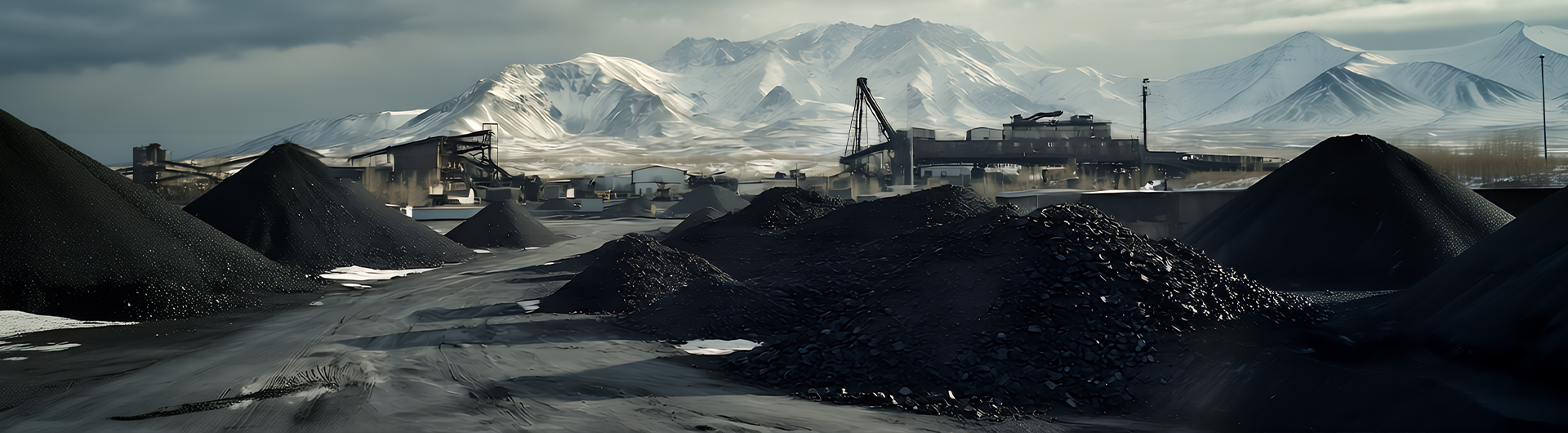

catalyst activated carbon and manganese dioxide
In electronic and magnetic gadgets, catalyst activated carbon and manganese dioxide plays a significant role in the improvement of conductivity and control of magnetic flux. The uniformity of the material guarantees that the magnetic permeability is constant and that the energy loss in transformers, inductors, and shielding materials is minimal. The engineers can make the powder morphology such that the packing density, surface contact, and functional efficiency are all optimized. Similarly, catalyst activated carbon and manganese dioxide can support the miniaturization of electronic components along with their performance, thus facilitating the design of high-density circuits. Besides, it cannot be easily damaged through chemical means and it is also compatible with other materials, thus preventing degradation over time. Therefore, catalyst activated carbon and manganese dioxide has become an indispensable material in the realm of modern electronics manufacturing—one that gives the designers the freedom to use a dependable material that, besides being very functional, is also energy efficient and durable in a variety of tech applications.
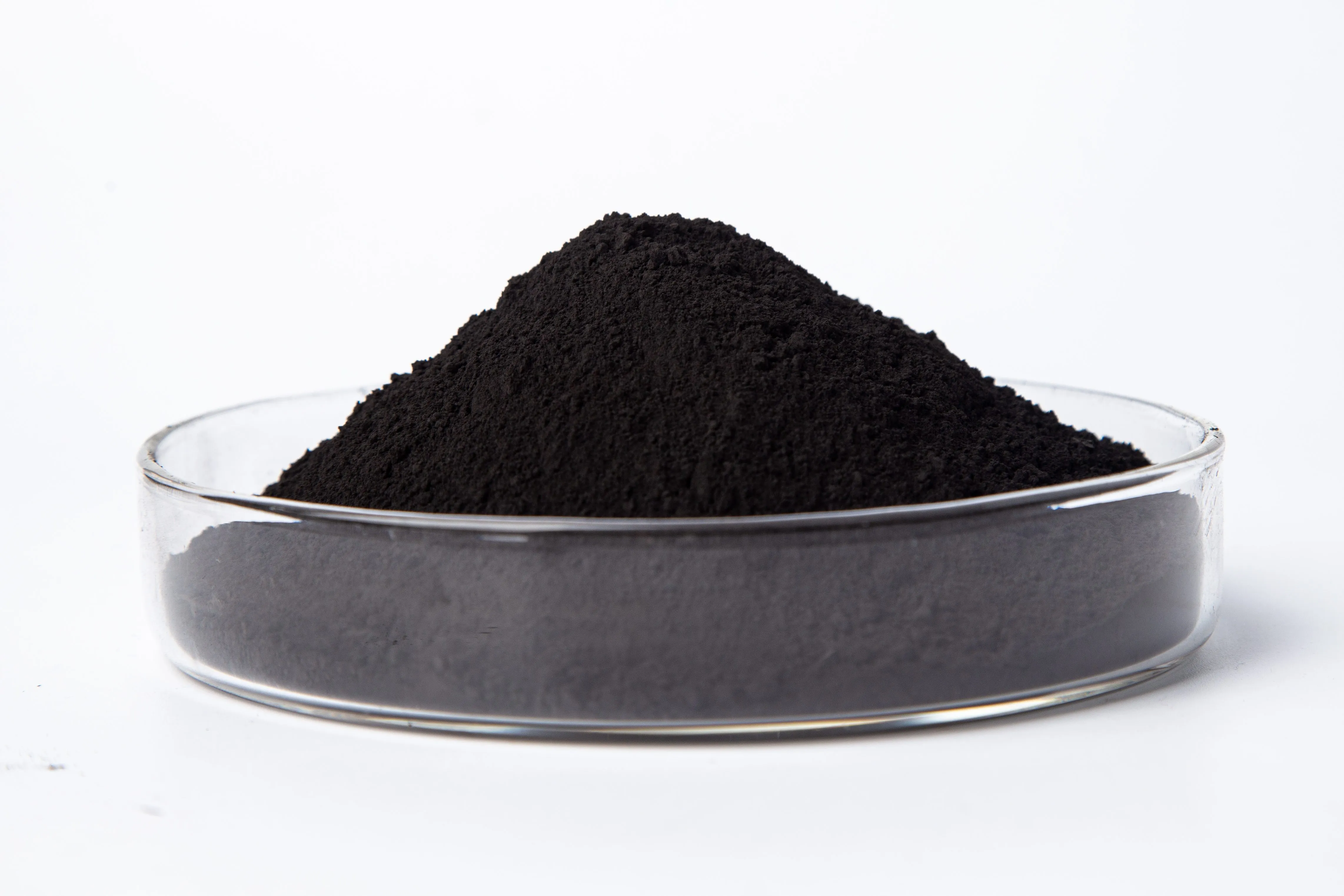
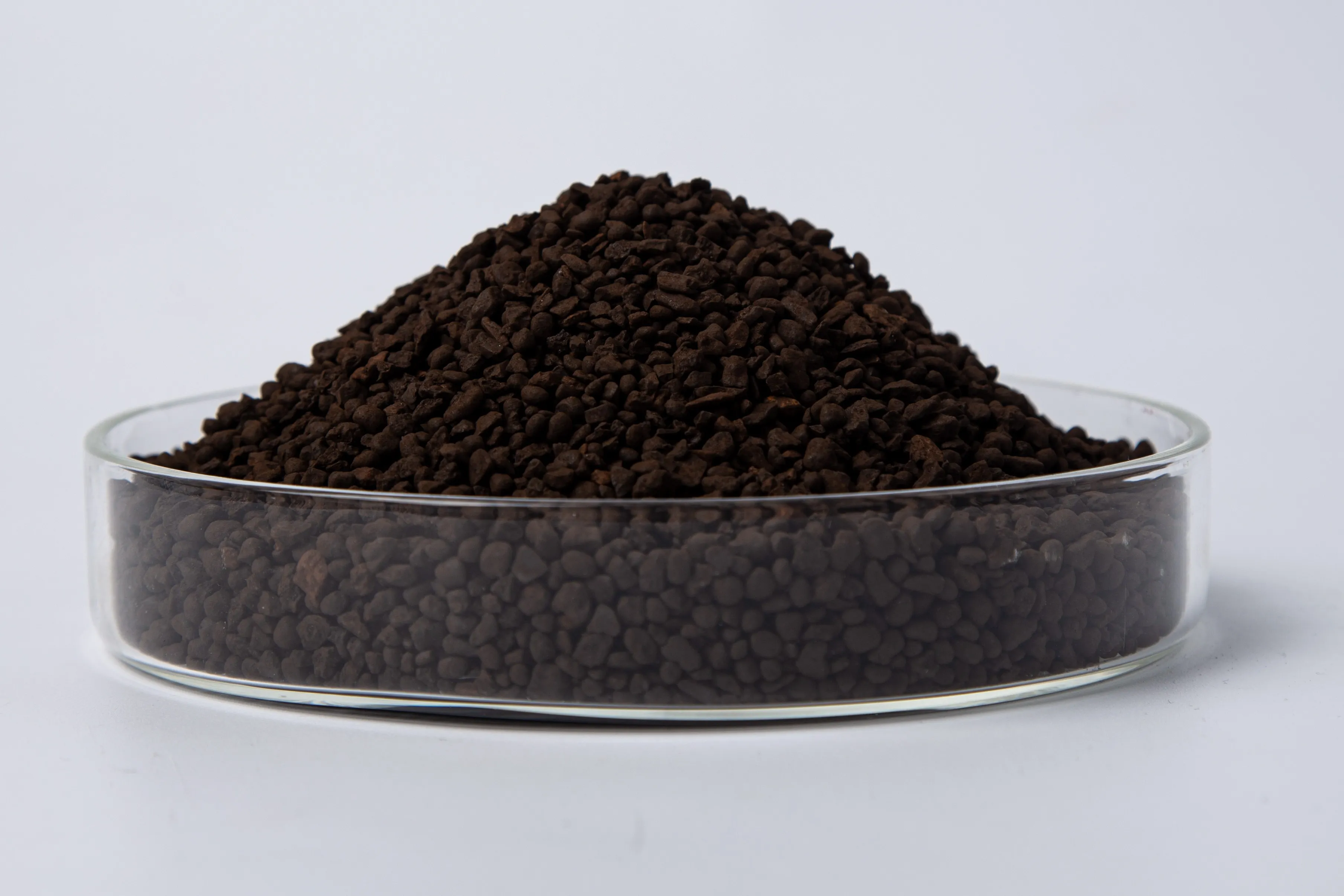
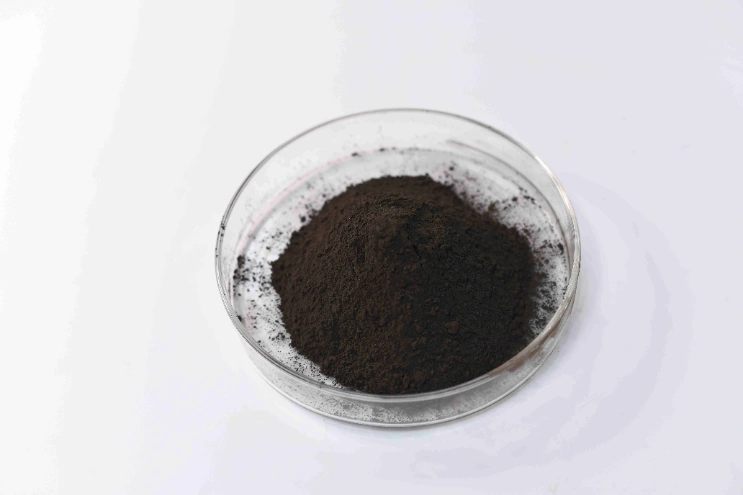
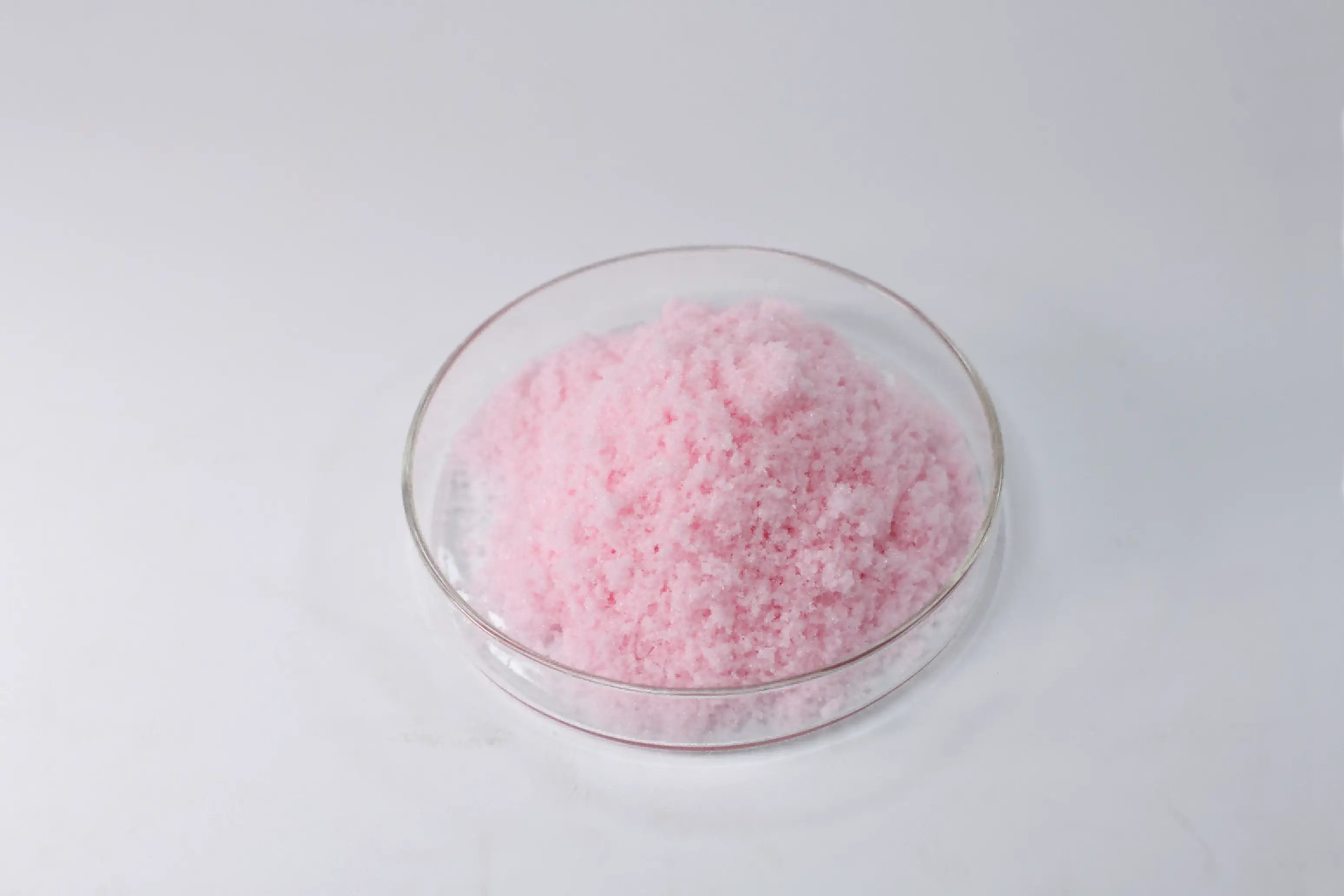
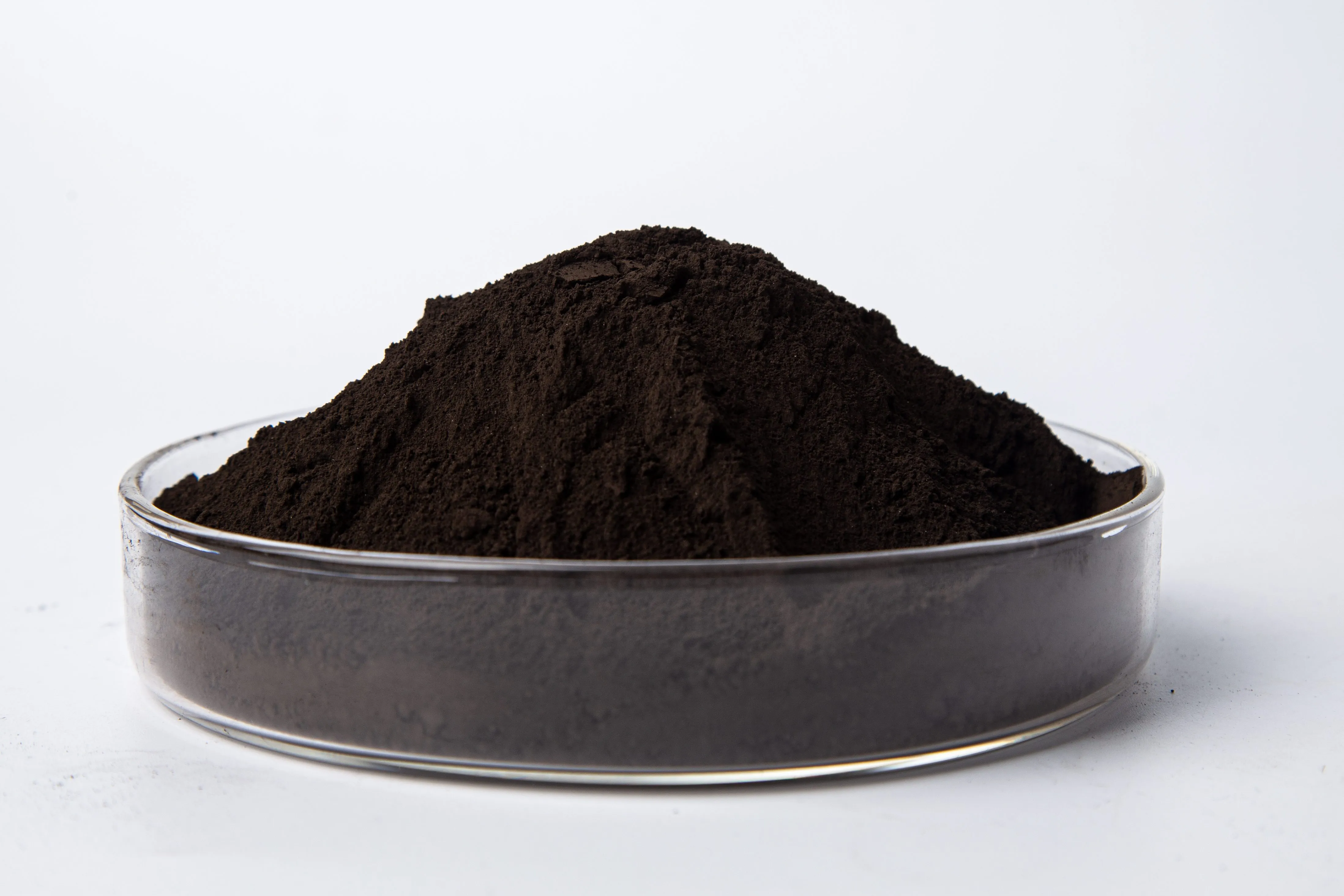
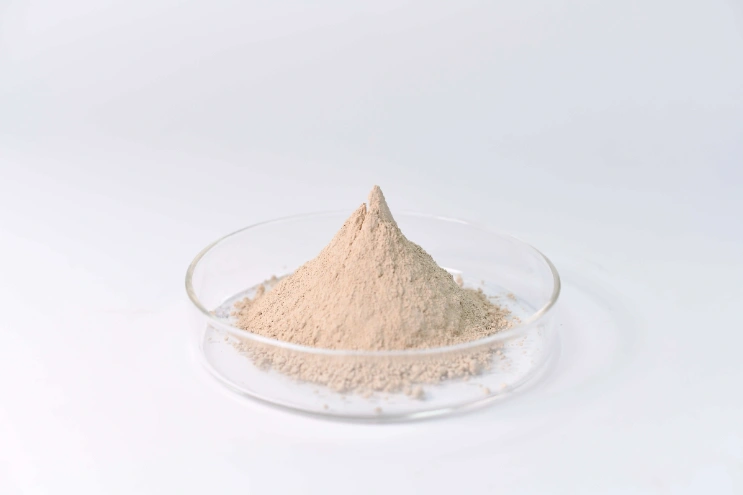
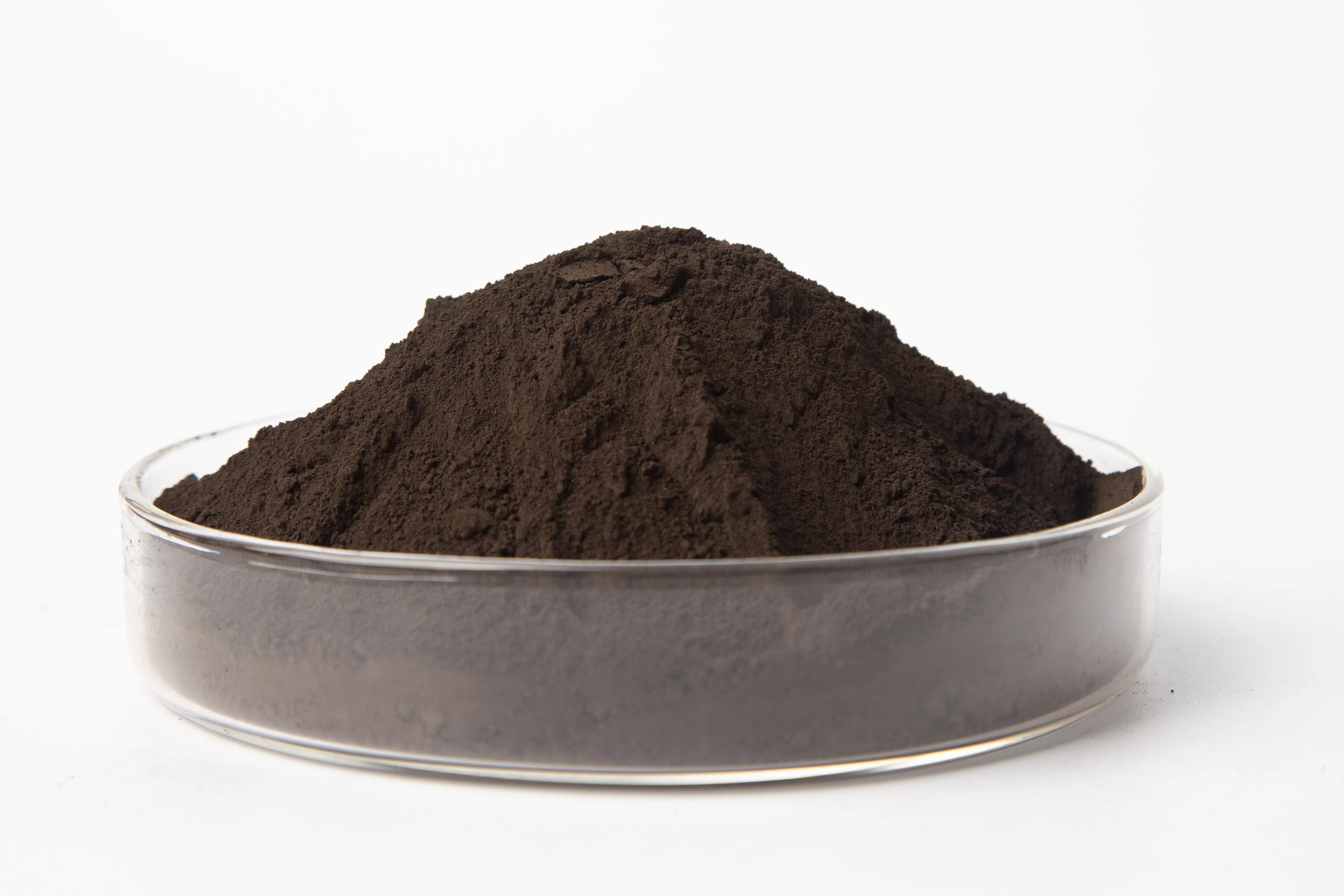
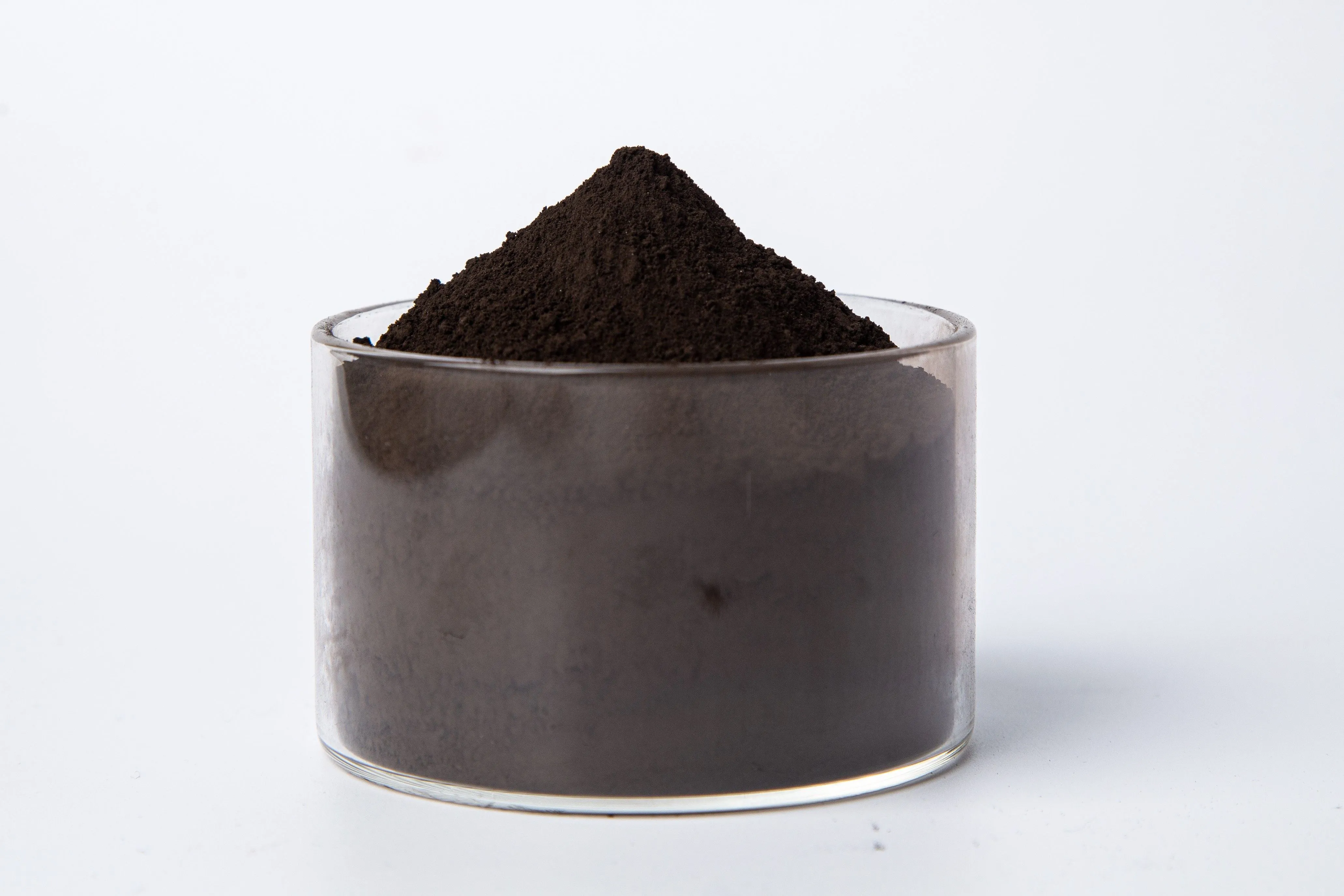
Application of catalyst activated carbon and manganese dioxide
In the realm of catalysis, catalyst activated carbon and manganese dioxide show up as the primary protagonist that speeds up selective oxidation and reduction reactions in both organic and inorganic processes. The various features like adjustable surface area, shape, and active sites provide the precise control over the reactions and the formation of by-products. Industries use catalyst activated carbon and manganese dioxide to their gain by getting higher chemical output at the same time cutting down energy use. It is, too, used in combination with other catalysts in the transformation step of industrial processes such as polymer synthesis and fine chemical production. For engineers, the use of reactivity and stability under extreme conditions translates to process efficiency, high yield, and reproducibility. catalyst activated carbon and manganese dioxide being versatile, it is at the front of innovation in chemical manufacturing and thus a material that is highly adaptable for advanced catalytic applications.
The future of catalyst activated carbon and manganese dioxide
The role of catalyst activated carbon and manganese dioxide in high-strength alloys is likely to expand due to the development of metallurgical engineering. Inclusion that is designed specifically for a certain purpose can improve microstructure, phase distribution, and mechanical properties for the specialized steel, aluminum, and composite alloys. New processing methods might be able to improve wear resistance, fatigue behavior, and size consistency, thus being a factor for future use in fields like aerospace, automotive, and industrial machines. catalyst activated carbon and manganese dioxide is undoubtedly going to be one of the most important additives that are going to be used in the production of the next generation of metal materials, which are going to possess outstanding durability and performance even in very harsh conditions.
Care & Maintenance of catalyst activated carbon and manganese dioxide
The long-term maintenance of strategies for catalyst activated carbon and manganese dioxide highlights the significance of consistency and documentation. The creation of standard operating procedures for storage, handling, inspection, and maintenance of equipment guarantees the attainment of the desired results. The feedback given by the operations is used to improve the care practices constantly and this, in turn, builds up the thereof reliability. The documentation is always there to support quality audits and the optimization of the processes. If the manufacturers consider catalyst activated carbon and manganese dioxide as a precision material that requires care with a proper structure, they will be able to maintain its performance characteristics, reduce variability, and also support efficient high-quality production in various industrial environments.
QingChong catalyst activated carbon and manganese dioxide
Conductive pastes, ferrite cores, and magnetic shielding materials are among the applications of catalyst activated carbon and manganese dioxide in the realm of electronics. The material's uniform particle shape delivers high quality and reliable performance in transformers, inductors, and magnetic components. It aids in the production of tight inductance, high permeability, and low energy dissipation. Keeping chemical purity allows the manufacturers to provide stability against thermal and electromagnetic stresses. Besides, catalyst activated carbon and manganese dioxide also enables miniaturization of devices through the efficient management of magnetic flux in small designs. Electronic assemblies that are verified to be catalyst activated carbon and manganese dioxide integrated will have their functionality and durability improved. In line with the trend towards devices with higher performance and reliability requirements, catalyst activated carbon and manganese dioxide becomes an indispensable factor in realizing design goals while steadily being cost-effective and material-efficient in the contemporary electronics applications.
FAQ
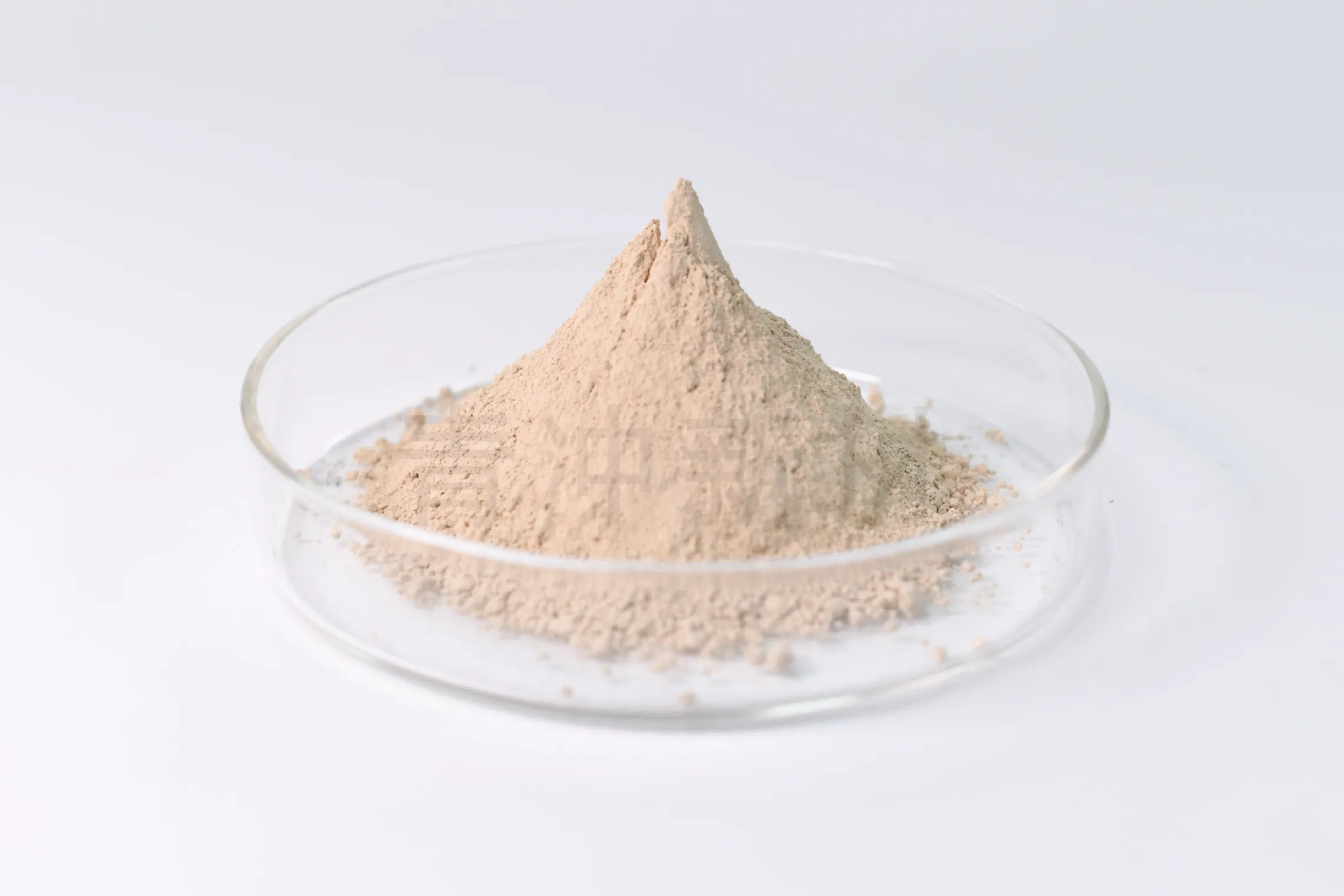
Q: What is the main application of Manganese Carbonate in industry? A: Manganese Carbonate finds application as a basic material for the manufacturing of manganese oxides, specialty alloys, ceramics, and battery-related materials in the course of industrial development. Q: What color and powder form do Manganese Carbonate mostly have? A: It is normally a light pink or pale powder with a fine particle size distribution making it suitable for mixing and processing. Q: Will Manganese Carbonate be available in different particle sizes? A: Indeed, the particle size can be set during the production phase according to the particular processing or application requirements. Q: Can Manganese Carbonate withstand high-temperature processing? A: Its high-temperature processing behavior is very good under strict temperature control, especially during the technical transformation of materials and calcination. Q: Which sectors are the main consumers of Manganese Carbonate? A: It is especially needed in the metallurgy, chemical manufacturing, ceramics, electronics, and energy-related sectors.
Reviews
Michael Brown
Using Manganese Filter Media has transformed our water treatment operations. The media’s uniformity and efficiency have improved filtration rates and reduced maintenance. The supplier’s technical support helped us implement it seamlessly into our existing systems.
Daniel Wilson
Manganese Carbonate from this supplier delivers consistent composition and particle quality. It integrates perfectly into our alloying processes, producing metals with uniform strength and hardness. Batch-to-batch consistency is highly reliable.
Latest Inquiries
To protect the privacy of our buyers, only public service email domains like Gmail, Yahoo, and MSN will be displayed. Additionally, only a limited portion of the inquiry content will be shown.
Isabella****@gmail.comUnited Kingdom
Dear team, we would like to purchase Manganese Carbonate for alloy manufacturing. Could you provide ...
Lucas****@gmail.comAustralia
Hello, we are interested in Chemical Manganese Dioxide for industrial chemical reactions. Please sha...
Related product categories
- activated manganese dioxide in Japan
- activated manganese dioxide in South Korea
- activated manganese dioxide in Turkey
- activated manganese dioxide in Brazil
- activated manganese dioxide in Russia
- activated manganese dioxide in Saudi Arabia
- activated manganese dioxide in Indonesia
- activated manganese dioxide in Vietnam
- activated manganese dioxide in Philippines
- activated manganese dioxide in Spain
- activated manganese dioxide in Malaysia
- active manganese dioxide in United States